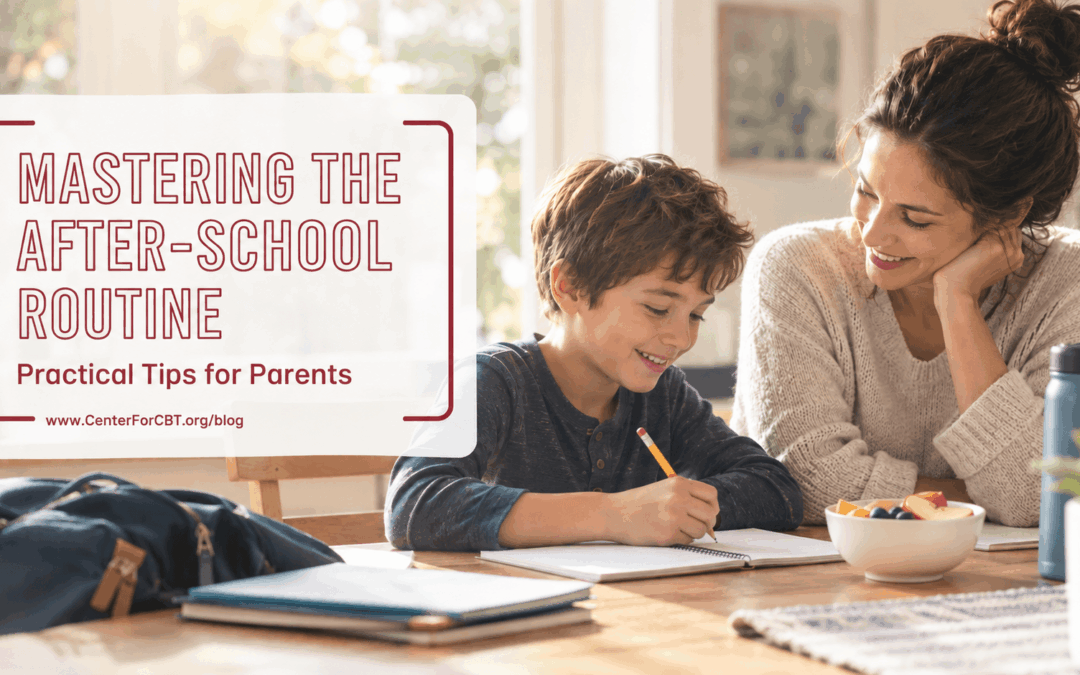
The hours after school can be challenging for both parents and children. Establishing a predictable after-school routine can help reduce daily stress, make homework and other responsibilities more manageable, and help children develop healthy habits. Learn practical strategies for creating a flexible routine that works for your child and your family.
Mastering the After-School Routine: Practical Tips for Parents
Many parents may find this relatable – the front door opens, backpacks are dropped on the floor, and within minutes, the afternoon starts to unravel. Whether it’s tears over a math worksheet, a meltdown because you turned off the TV, or a child who is suddenly “too starving” to function, the hours between school and bedtime can feel like a daily struggle for both parents and children.
It’s completely normal for kids to be exhausted, irritable, and emotionally drained when they get home. They’ve just spent hours and hours focusing, following rules, and navigating social dynamics. Unfortunately, responsibilities don’t stop just because school is over for the day. There’s still homework to complete and chores to do, all of which can feel very unappealing after a full day at school.
Research on child development has consistently demonstrated the importance of predictable routines in helping children to regulate their emotions and improve focus. This is where the after-school routine comes into play.
Why after-school routines matter
When the after-school schedule is predictable, it takes the guesswork and decision fatigue out of the day for everyone. Instead of arguing about when things will happen, children already know what to expect. Transitioning away from fun activities (like playing or watching a favorite TV show) to less exciting tasks (like reading or emptying the dishwasher) can be tough. A predictable routine can make these transitions smoother and feel much less jarring.
If the break is too short, your child may be too tired to focus on their work and whatever tasks need to get done. But if the break is too long, you risk a frantic rush later in the evening to get everything done in a short amount of time.
The key to creating an after-school routine is to balance giving children a real break to recharge without letting that break drag on so long that they run out of time for homework, dinner, or a peaceful bedtime.
Guidelines for creating an after-school routine
1. Start with a brain break
Give your child some time to unwind and decompress when they get home. For many children, 10–30 minutes is a good starting point, but the ideal amount of downtime will vary depending on your child’s age, energy level, and needs. This may include outdoor time, free play, reading time, or physical activity. For younger children, consider using a visual timer and providing a “five-minute warning” before the timer beeps so they aren’t surprised.
When providing options for the break, keep in mind how your child handles transitions. If turning off the tablet or TV often leads to an argument, it may be best to save the screens for after homework is complete. It can also be helpful to look for activities with a natural ending. Watching a single episode of a favorite show has a built-in endpoint, whereas scrolling through videos or playing open-ended video games doesn’t have a natural stop sign. This lack of a clear endpoint can make that transition more challenging.
Pay attention to how your child responds and adjust the length of the break as needed. The goal is to give your child enough time to recharge while keeping the transition to the next activity manageable.
2. Have a snack
If your child tends to be irritable, tired, unable to focus, or complaining of hunger when they get home, consider providing a snack during this time. A planned snack can help take the edge off hunger and give your child some energy before tackling homework. It may also help prevent them from arriving at dinner overly hungry.
3. Set a predictable homework window
Once the break is done, it’s time for homework. A good rule of thumb is “work before play.” Getting responsibilities out of the way first can help your child build healthy habits and leave more time to enjoy leisure activities in the evening.
However, this approach doesn’t work for every child. Some children do better with a longer break before tackling homework, while others prefer to get it done right away. The goal is to find a sequence that helps your child get their work done without turning every afternoon into a battle.
One of the best ways to set up your child for success is to pick a quiet, dedicated workspace that has all of their school supplies organized and ready for use.
To help make homework feel less overwhelming, try using timed work windows with short, set breaks in between. Timers are a great tool for helping ensure a 10-minute break doesn’t accidentally turn into 45 minutes of leisure time. Breaks should be tailored to your child’s attention span, age, and focus level. Younger children often do best with short, frequent breaks (e.g., 15 minutes of working followed by a 3-minute stretch break), whereas teens can usually handle larger chunks of time and take more breaks independently (e.g., after finishing a particular assignment or completing a certain amount of studying).
If getting started is the hardest part, try breaking homework into smaller steps. Rather than saying, “Go finish your homework,” you might say, “Let’s start with your math worksheet.” A manageable first step can make the task feel less overwhelming.
After-school routine examples
Your routine doesn’t need to be perfect or complicated. In fact, some amount of flexibility is important so that you can adjust for after-school activities, such as extracurriculars or doctor appointments.
Example routine for younger children
- Unpack backpack/lunchbox
- Brain break and snack
- Homework
- Dinner
- Leisure time
- Bedtime routine
Parent tip: Use a visual schedule or checklist so your child can see what’s next. Provide clear reminders to prepare them for transitions (e.g., “5 more minutes until homework time”) and stay nearby to help keep them on track.
Example routine for older children
- Brain break and snack
- Homework
- Dinner
- Remaining homework
- Leisure time
- Bedtime routine
Parent tip: Older children will benefit from collaborative planning rather than being told what to do and when to do it. Gradually encourage them to take responsibility for tracking their own work, and keep things flexible to accommodate changing sports or activity schedules.
A helpful strategy for children of any age is to involve them in planning the routine. For example, you might ask, “Would you rather do homework before dinner or right afterward?” Offering two acceptable choices gives children some control while keeping expectations clear.
Remember to stay flexible
Every child is unique, so make sure to individualize your routine to fit your family’s needs. While some children may need a break first thing after school, others may prefer to get their homework done as soon as they get home so they don’t have to think about it later. You’ll also want to adjust the amount of support that you provide as children age and gain independence.
At the end of the day, the goal is to build a realistic routine that works for you and your child. Use these guidelines as a starting point, try them out, and don’t be afraid to change things up if something isn’t working. With a little trial and error, you’ll find a routine that makes the after-school period less stressful for everyone.