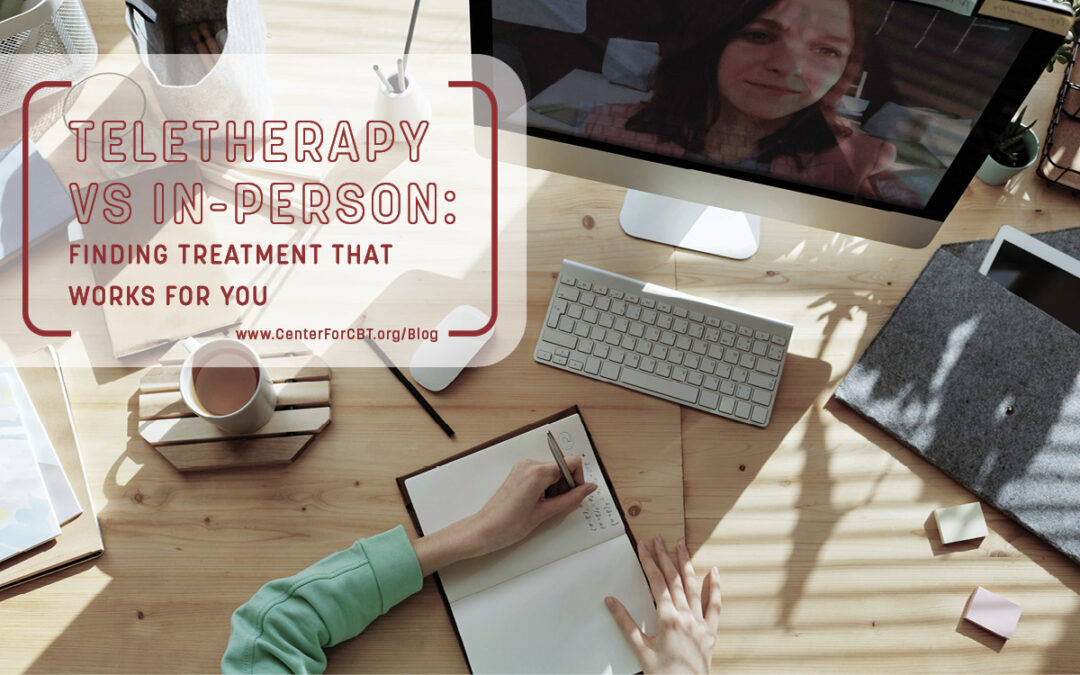
There are benefits to both virtual and in-person therapy, and studies indicate that both can be effective methods for the delivery of CBT and DBT for youth and adults. There are a number of nuanced factors that one might consider when deciding between teletherapy or in-person treatment.
When it comes to managing your child’s anxiety around the holidays, it’s important to remember that communication is key. Maintain an open dialogue with your child about how they are feeling and check in with them regularly. Use these strategies to help prepare them for the change in routine and prime them for the back to school transition.
Gratitude has been shown to improve happiness in multiple realms of life and offers both physical and mental health benefits. Practicing this skill can contribute to feelings of satisfaction and positivity within yourself, your family, and build connections with the greater community.
The transition from summer to school is notoriously challenging for children and families. This year, in addition to getting up early and learning a new schedule, children must also get used to being around more people in the school building and practice a host of safety protocols. Check out these tips to prepare you and your student for the year ahead.
Autism spectrum disorder is characterized by difficulties with social communication and restricted or repetitive patterns of behavior, interests, or activities. While each child with autism presents differently, there are hallmark symptoms and features, as well as a common process for treatment and proper diagnosis.
Childhood anxiety can be effectively treated with cognitive behavior therapy, medication, and a combination of both. But there is no one-size-fits-all approach. As you research the best option for your child, here are a few questions to ask yourself.