Mindfulness has become a popular term associated with self-care and therapeutic treatments, but what exactly is it? And how do you practice it? Follow these tips to help foster a happier and healthier mindset by staying in the present moment and consciously managing your patterns of thought.
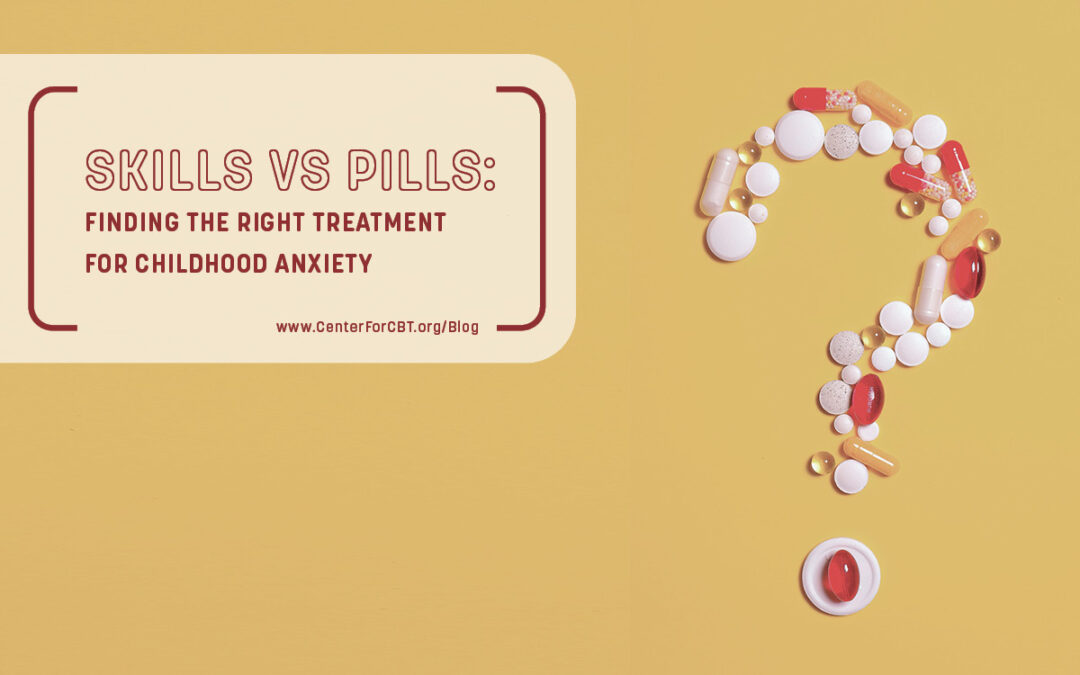
Childhood anxiety can be effectively treated with cognitive behavior therapy, medication, and a combination of both. But there is no one-size-fits-all approach. As you research the best option for your child, here are a few questions to ask yourself.
While anxiety is challenging to overcome, the right balance of empathy and encouragement can help your child to face their fears and foster confidence so that they can find a way to climb their bravery mountain and proudly stand at its apex.
Anxiety is familiar to many of us, yet it isn’t always easy to recognize when a child is feeling anxious. Anxiety goes beyond shyness or nervousness. So how do you know if your child is feeling anxious? And how can you help?
Often, it’s difficult to focus on the present moment. In this tenuous time, anxious thoughts can distract us from what is currently going on in our lives. Mindfulness is an essential practice for anxious times. It helps us combat anxiety and maintain a level head so that we can make effective decisions.
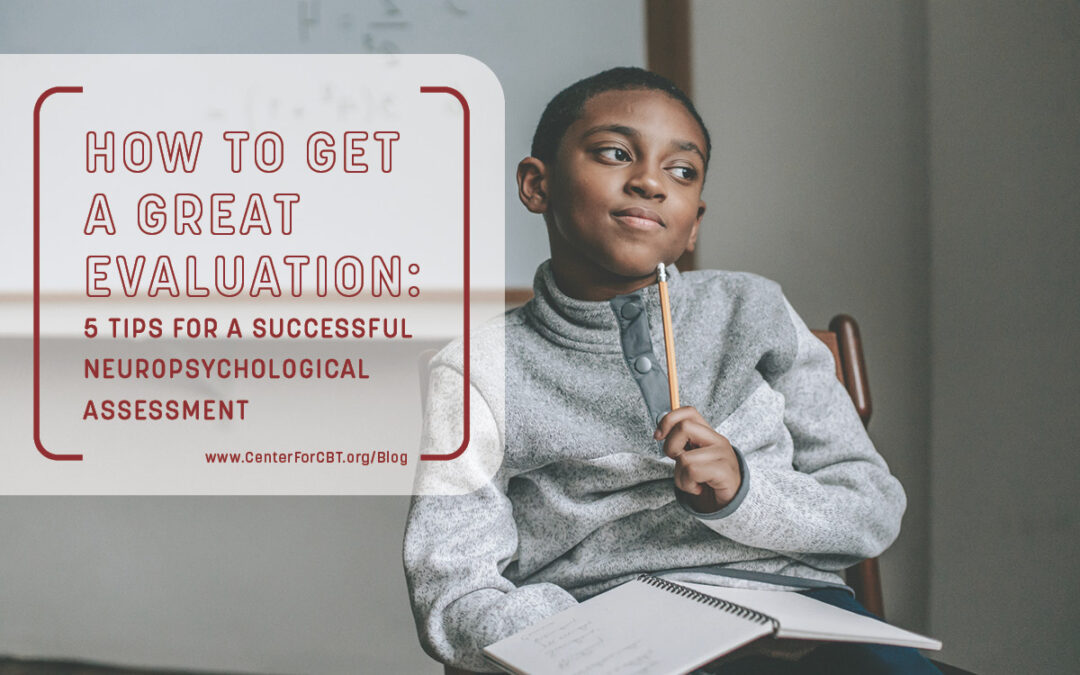
It’s no secret that children and adolescents are complex. When your child is struggling, finding the source can feel impossible. A comprehensive neuropsychological evaluation can help. Get clarity on the unique issues your child is facing and find their path to success.