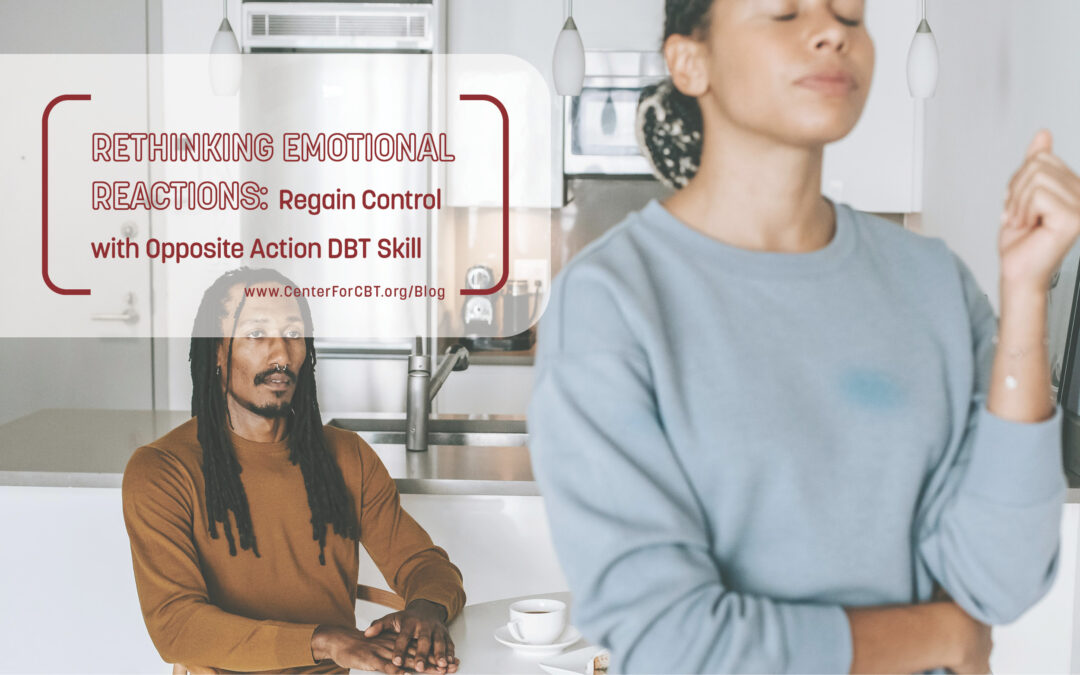
Opposite Action is a DBT skill that can be used by adults, teens, and kids to help them control big emotions. When you feel a strong emotional urge, Opposite Action reminds you that acting in the opposite way of what your emotions are telling you can actually be helpful in some situations. This practice challenges the automatic link between emotion and behavior to help you respond thoughtfully even when we’re feeling overwhelmed.
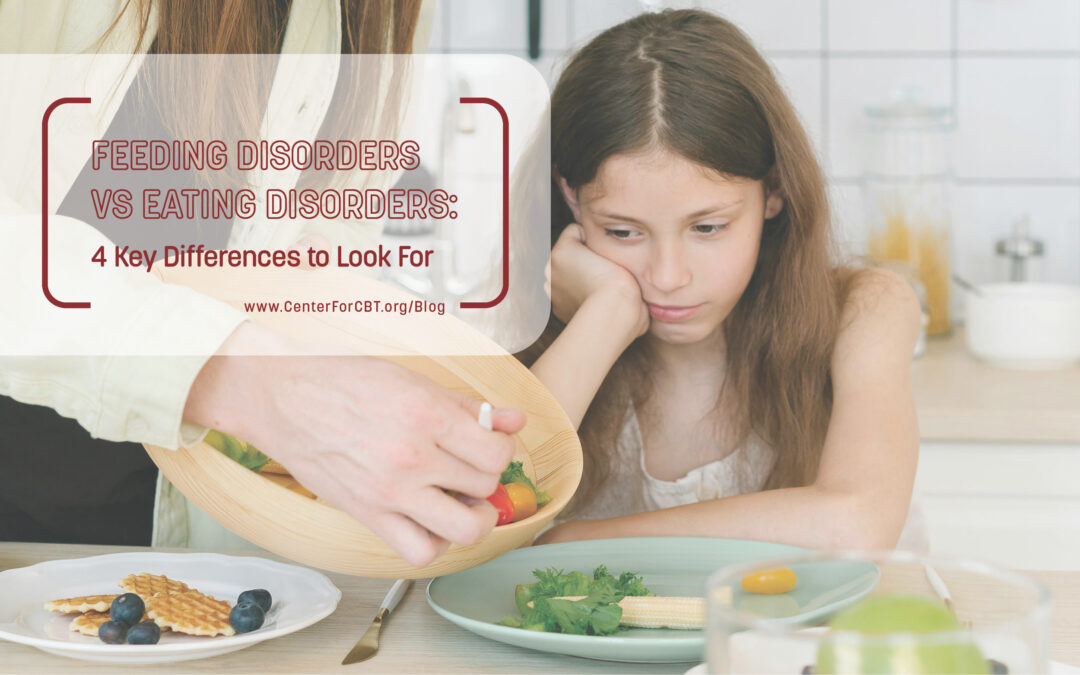
Feeding disorders and eating disorders are terms which are often used interchangeably. However, there are distinct differences between these two diagnoses. Key factors, such as motivation, age of onset, behavioral features, and the emotions experienced with these disorders can help determine a diagnosis. An accurate assessment is the first step to identifying which evidence-based treatments will best support the needs of your child.
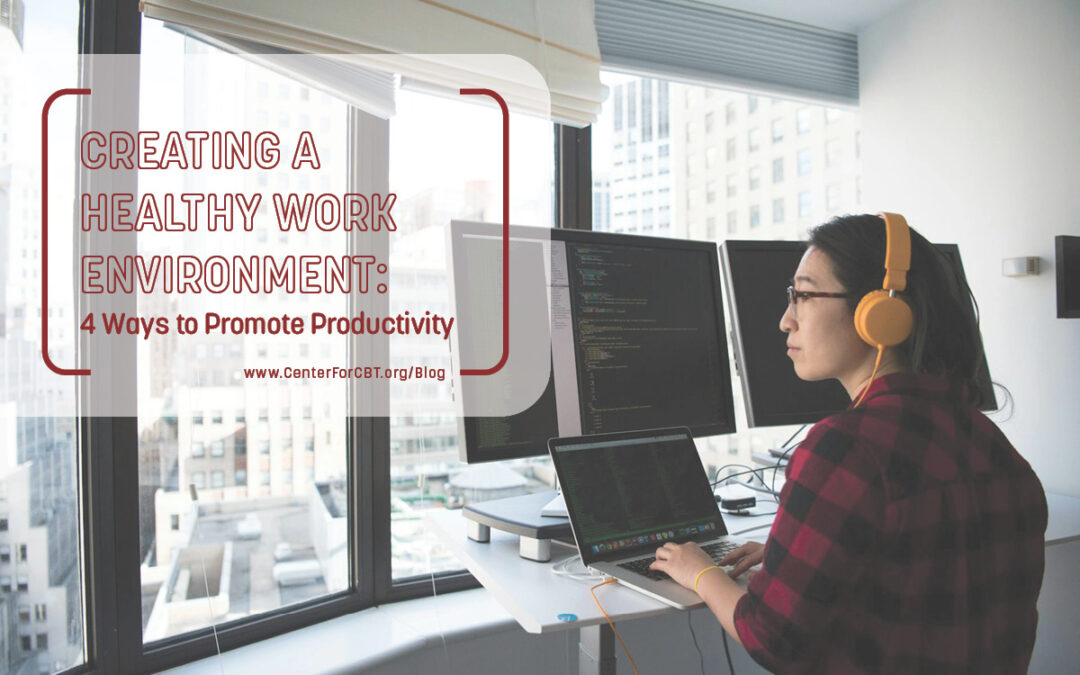
Dissatisfaction in one’s performance can lead to feelings of self-doubt, which reduces productivity and intensifies those negative feelings. An important step in breaking this cycle is creating a work environment that will help you meet your goals. These strategies can be used by parents, children, adolescents, and young adults.
The holiday season is a time of joy, but for some, it is also a source of stress. Practicing DBT skills like PLEASE and Cope Ahead can help prevent you from feeling overwhelmed during this busy time of year. By using these tools to help manage stress and anxiety, you can feel more confident in your ability to manage time-sensitive responsibilities.
Visiting family during the holiday can bring about feelings of anxiety. Adolescents and young adults may also have concerns about how to navigate interpersonal conflicts that may arise. Practicing healthy communication strategies by using a DBT skill, like DEAR MAN, is an effective way to set and enforce personal boundaries while still maintaining healthy relationships.
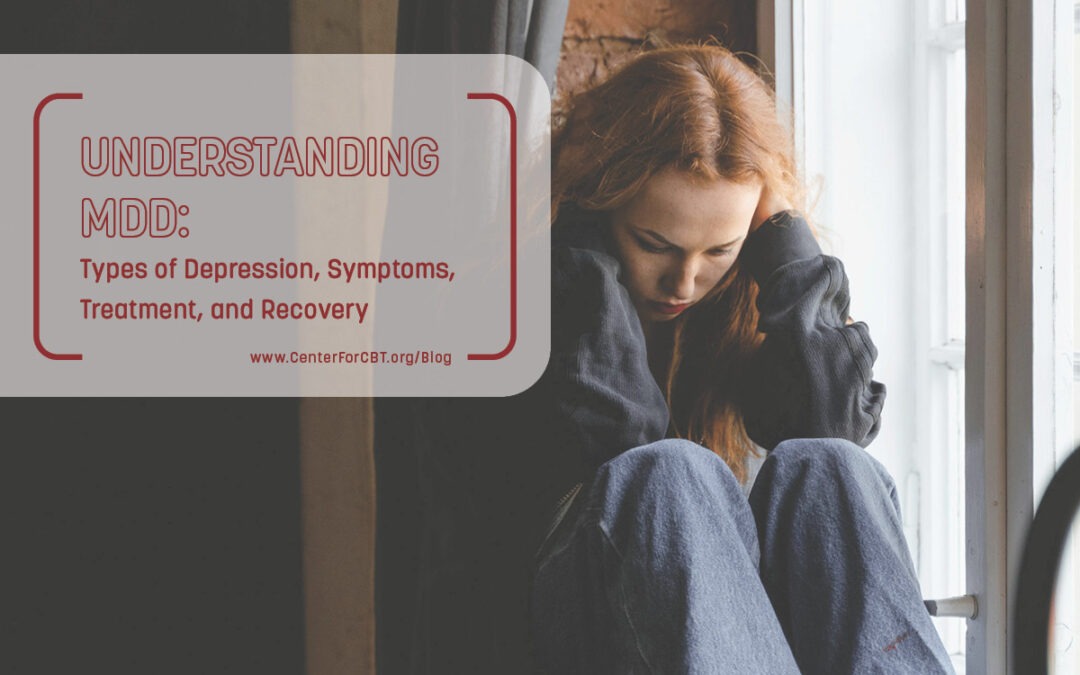
Major depressive disorder (MDD) is a mood disorder that can negatively impact a person’s daily life by causing emotional, physical, and/or psychological impairments. Depression can take many forms and co-occur with other mental health challenges. This concern is treatable and symptoms can be relieved through a variety of therapeutic approaches. It’s important to know what signs to look for so that you or a loved one can seek out support.