Interpersonal effectiveness skills are a set of strategies taught in DBT which include the FAST skill to maintain self-respect. When you are faced with a challenging social interaction, the DBT FAST skill reminds you to be fair to yourself and others, not apologize for feeling how you feel, and stay true to your values. Practicing the DBT FAST skill can help you learn to act in a way that makes you feel positively about yourself and maintain a sense of self-respect.
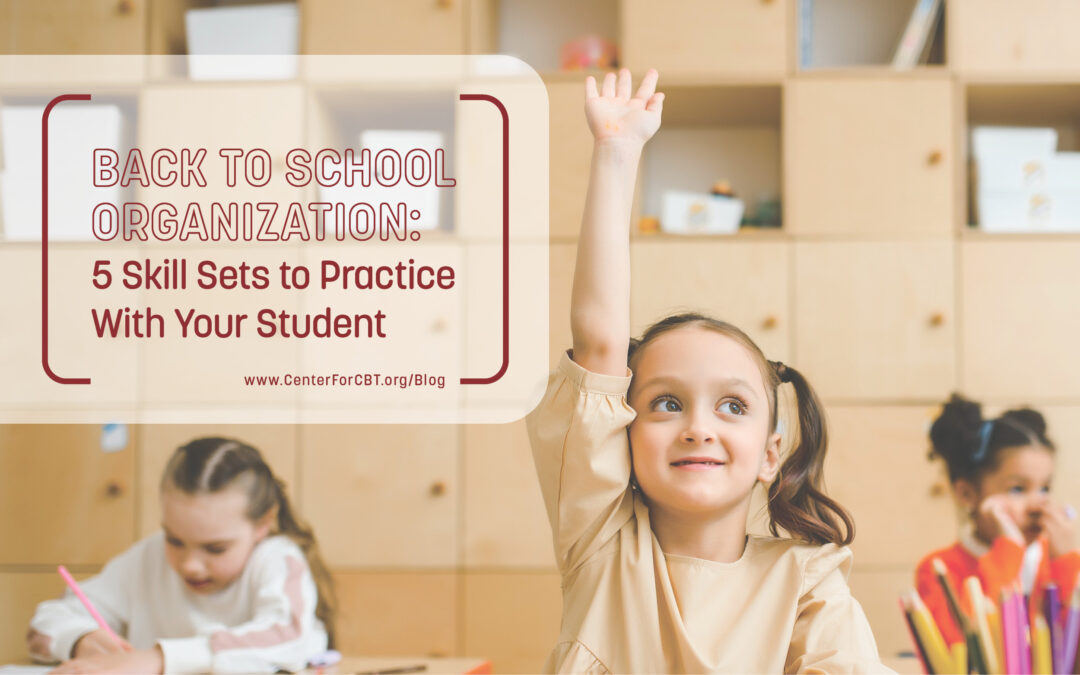
Back to school season is the perfect time to practice organizational strategies. Practicing these skill sets is helpful for the school year ahead, and will also reinforce good habits that your student can use for success and independence in adulthood. Teaching goal setting, time management, and other organizational skills training strategies are key for parents and educators helping children and teens learn how to confidently navigate new responsibilities.
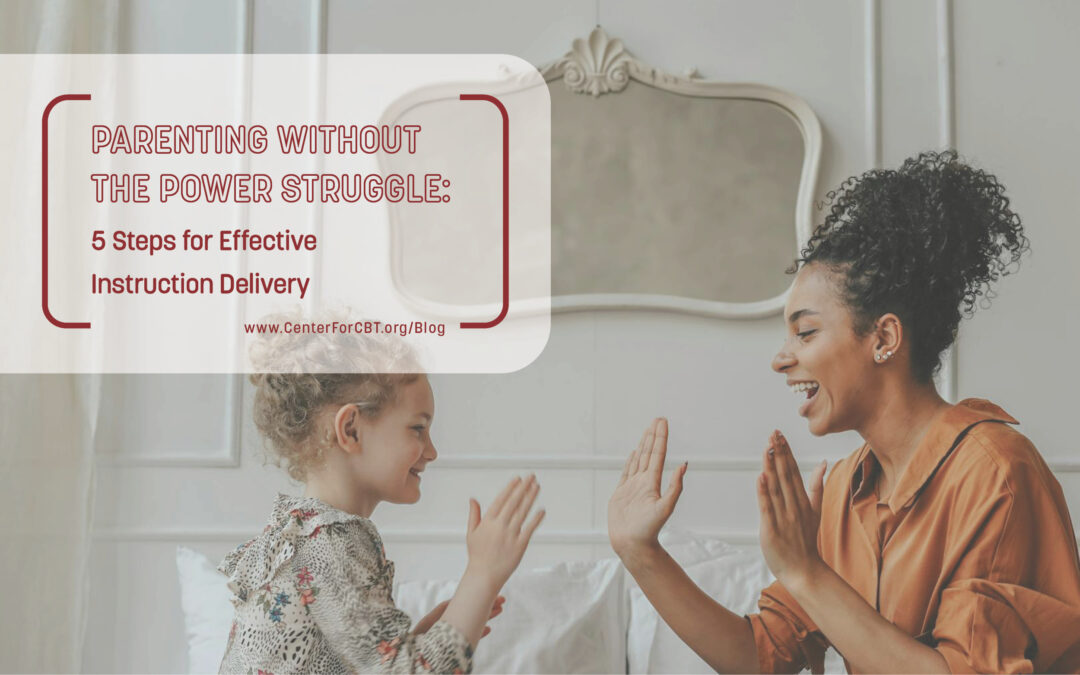
Delivering clear, effective instructions can significantly increase your child’s ability to listen and respond while reducing conflict, frustration, and power struggles. These parenting strategies can help you learn how to offer praise and support your child to help them follow instructions.
Body-focused repetitive behaviors (BFRBs) can include persistent behaviors like hair pulling or skin picking. Conditions like trichotillomania and dermatillomania can be distressing and difficult habits to break, but they are treatable. Through collaboration with a trained CBT psychologist, individuals can learn and practice the key steps in habit reversal training (HRT) to curb these habits and find relief.
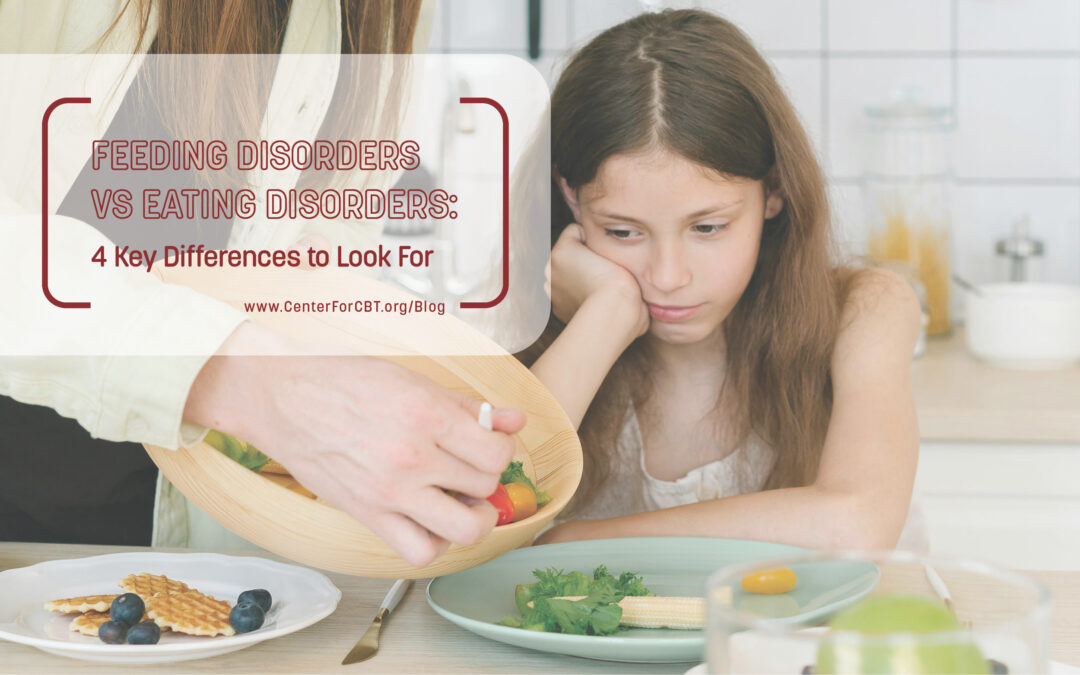
Feeding disorders and eating disorders are terms which are often used interchangeably. However, there are distinct differences between these two diagnoses. Key factors, such as motivation, age of onset, behavioral features, and the emotions experienced with these disorders can help determine a diagnosis. An accurate assessment is the first step to identifying which evidence-based treatments will best support the needs of your child.
School-based evaluations and comprehensive neuropsychological evaluations both aim to identify learning and developmental needs. You may consider pursuing an evaluation if you have concerns for your child’s cognitive abilities, school performance, or behavioral problems. It’s important to understand the key differences between these evaluations so that you can decide on the best next step to help your child succeed.