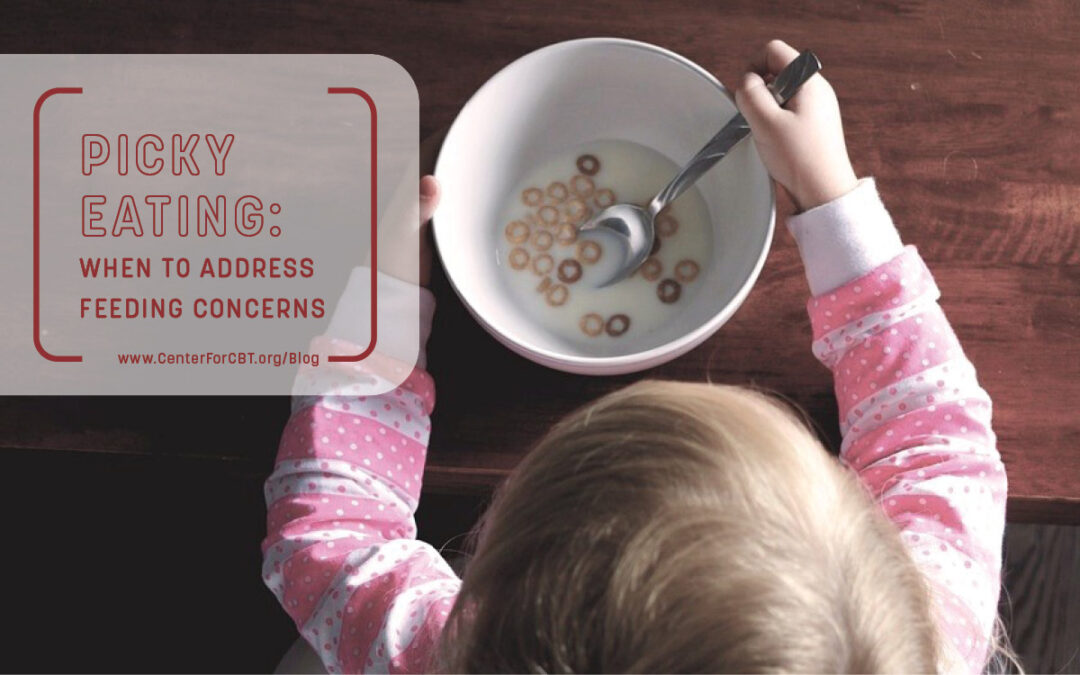
Picky eating is a normal occurrence in childhood, but when it starts to interfere with your family’s life in a bigger way, it may be time to seek help from a specialist. Feeding treatment assesses problem behaviors and offers solutions to help families overcome mealtime challenges.
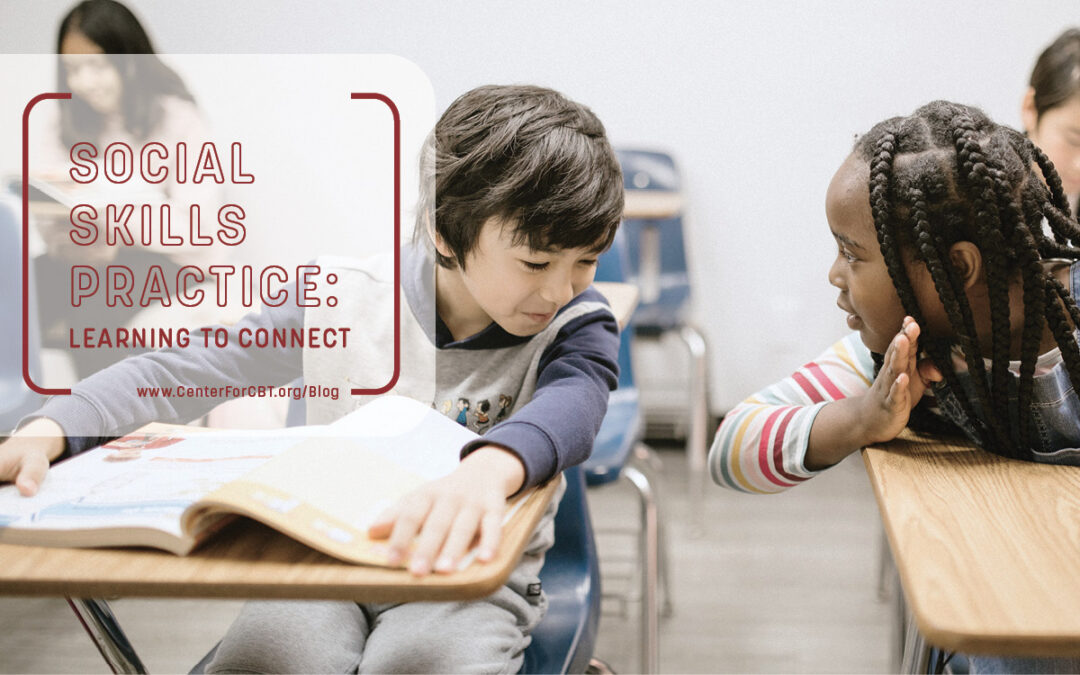
Practicing social skills can help children develop healthy peer relationships, improve familial dynamics, and academic performance. Collaboration between parents, a licensed therapist, and school personnel can help children practice and generalize these skills to find success later in life.
With so many different types of therapies and providers to choose from, finding the right fit can feel daunting. Discover the power of finding the right therapist for you and your child’s journey. Learn essential questions to ask when searching for a therapist for your child, and make informed decisions to enhance your healing process.
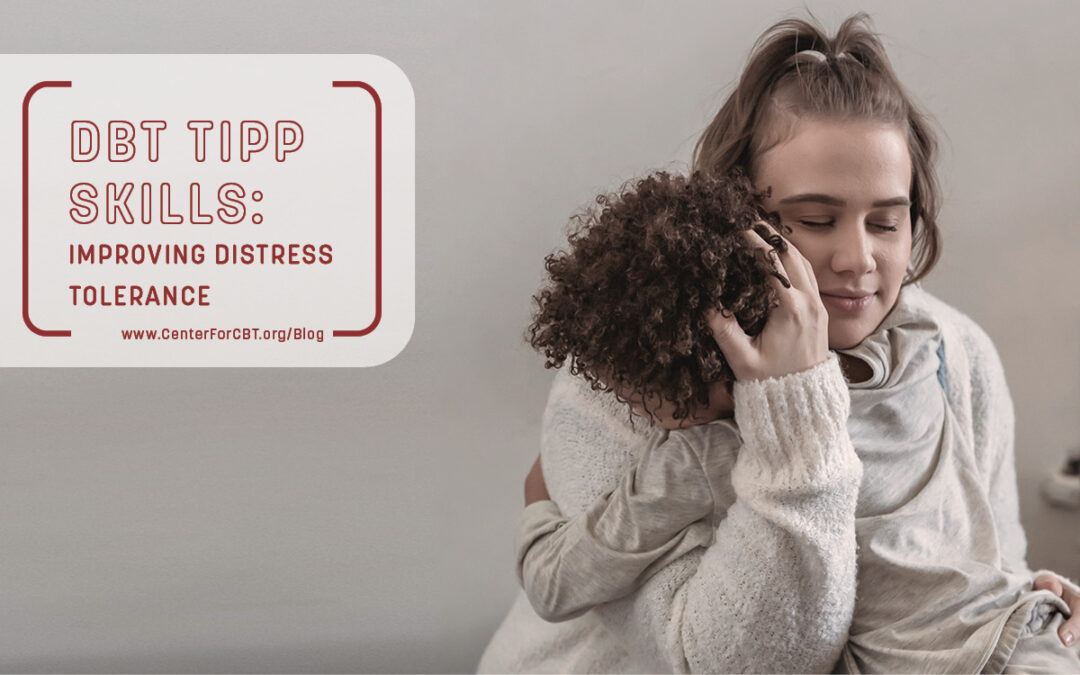
We have all experienced emotional distress at times, weather from a frustrating conversation with a friend, troubles at work or school, or even running late for something important. Using DBT skills, such as the TIPP skills for distress tolerance, can help improve how you handle stressors.
There are benefits to both virtual and in-person therapy, and studies indicate that both can be effective methods for the delivery of CBT and DBT for youth and adults. There are a number of nuanced factors that one might consider when deciding between teletherapy or in-person treatment.
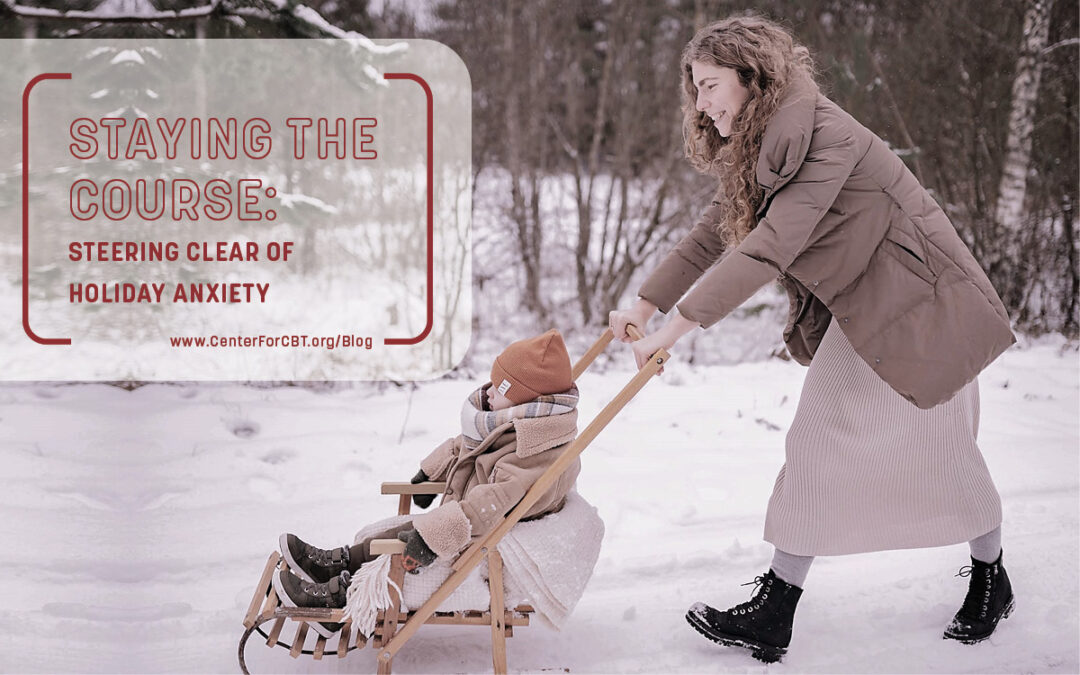
When it comes to managing your child’s anxiety around the holidays, it’s important to remember that communication is key. Maintain an open dialogue with your child about how they are feeling and check in with them regularly. Use these strategies to help prepare them for the change in routine and prime them for the back to school transition.